A letter to myself about what comes next
What your body knows before your mind catches up
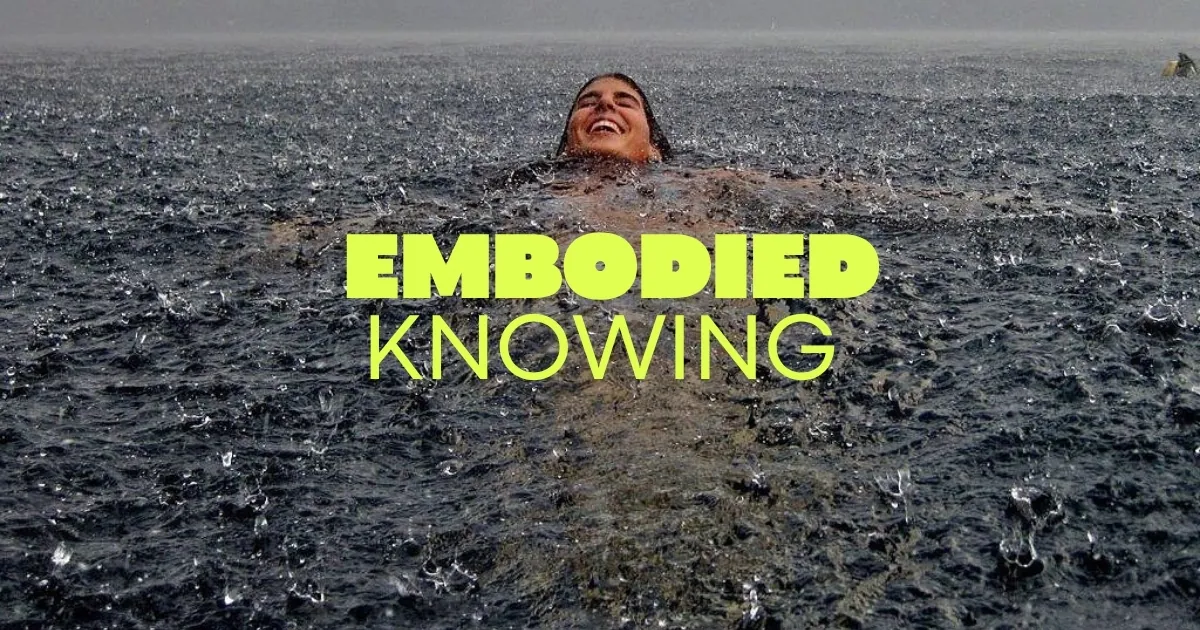
In my teenage years and early adulthood, I had a visceral sense of knowing – moments of premonition and intuition.
Before I took an exam, I knew what grade I would get before sitting it. When I put myself forward for school captain, I knew I would get it. When my high school’s career counsellor advised me to choose subjects that would scale well in my final exams, I chose design anyway. I knew I would score highest in my year.
This certainty followed me into early adulthood.
When I applied for university scholarships, I knew they were mine. When I applied for an internship at a coveted design studio, I knew I’d get it. Three months later, I knew they would offer me a job. I declined their offer because I sensed something better around the corner.
A month later, Google advertised five graduate positions in their Creative Lab. The application had one question with a 150-character limit. I crafted something that was intriguing enough to land me the role. I spent two years as a contractor before they offered me a permanent position.
I turned it down.
I told my boss at the time, “I care about the person I’m becoming, more than the job that I have.”
I was about 26 when I said that. I don’t think I really understood the magnitude of what had accidentally spilled out from my unconscious. My boss understood what I meant and didn’t try to convince me to stay.
That creative lab was the best possible job I could have hoped for straight out of university. We experimented with technology and culture, played with ideas, pushed boundaries. It was an expansive place to be.
Simultaneously, I taught design in an academic setting and I felt like an idealist working in a creative lab at one of the world’s most desirable tech companies.
Something inside me was calling for experiences beyond an office and beyond Australia.
Deep down, what I really wanted was to move to New York. I wanted to make it in the Big Apple and prove to myself (and others) that all of these strokes of luck weren’t simply because I was a big fish in a small pond. I wanted to know that I could be a big fish in the vast ocean.
I was a year into a new relationship. I’d just moved into a share house. I felt like I needed to get serious about adult life, like I needed “real-world” experience.
So I joined Deloitte.
I thought I was making a smart move. The salary was much more than what they’d offered me at the Creative Lab. There was clear career progression, a formal mentorship structure. Deloitte worked with banks and insurance companies. You know, “real-world” stuff.
What I didn’t anticipate was the toll it would take.
The work itself wasn’t terrible. It was the environment. I had come from a place at Google that nourished play and creativity and I dove head-first into an environment where performative professionalism was the norm. The people at Google were truly brilliant, and well-adjusted – people I looked up to. I didn’t feel that same admiration for anyone at Deloitte.
No one in my family had ever held a corporate job, so I was never taught the unspoken rules of corporate life. I do remember speaking to my sister’s friend who worked at PwC. As a female Malaysian director, she’d hit the jackpot of all glass ceilings amongst the white boys club. As a half-Asian woman myself, I prepared myself for the corporate politicking by putting up my defences and wearing a mask.
I thought I could play that game.
How wrong I was.
Within two years, I didn’t recognise myself. That embodied knowing and surety of self that I’d carried for most of my life began to dissipate. For the first time in my life, I was sliding down the slippery slope of depression.
My therapist even drew it out for me.
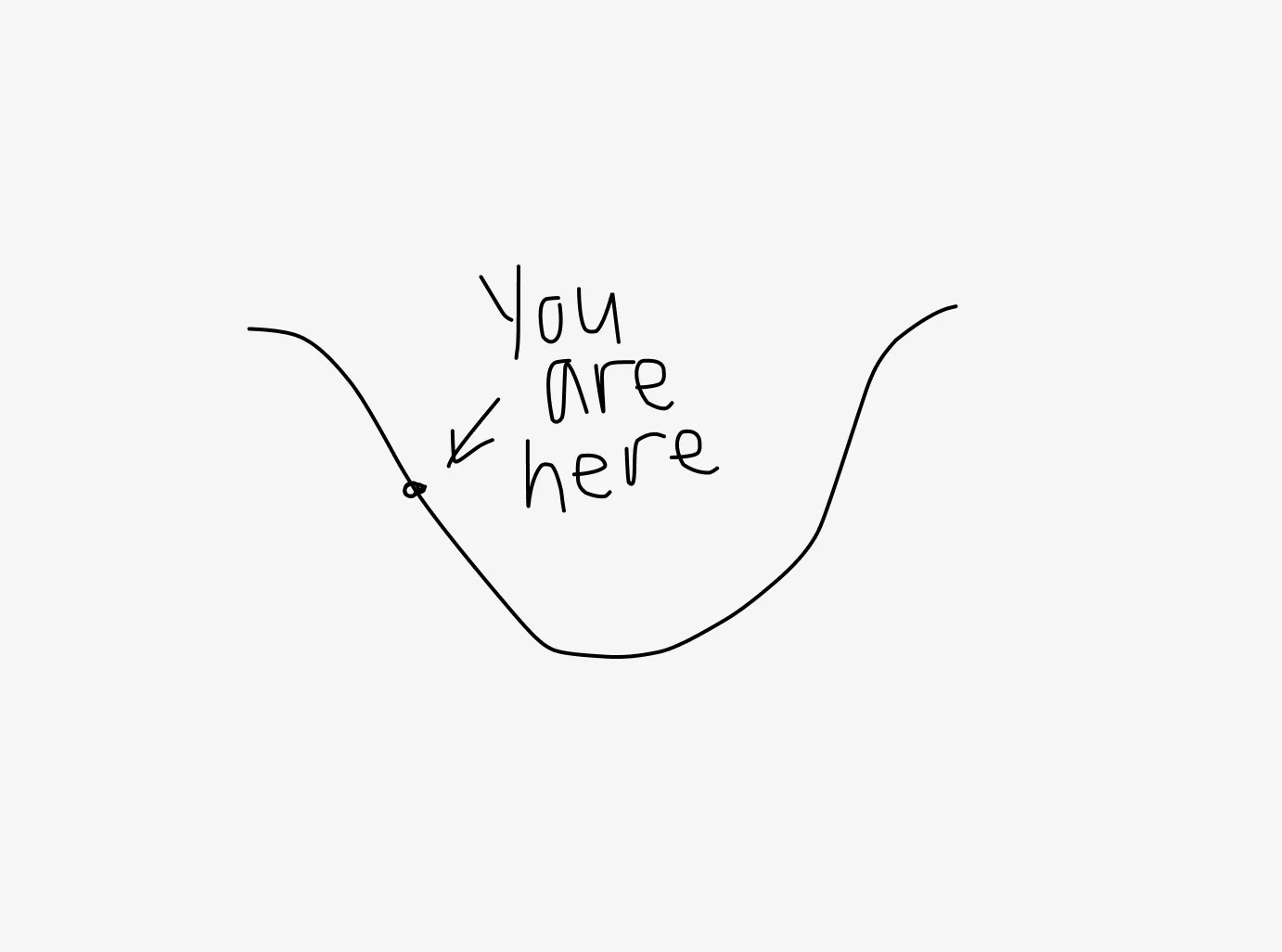
I coped with the depression by numbing it with weed. I wondered what had happened to me. I’d forgotten what my hobbies were. I didn’t know what I was curious about. My days were spent commuting, working and sleeping.
If this was what adult life was, I hated it.
One day, on the train commute to work, I downloaded Headspace. I’d heard that it was helpful for stress. I felt more than stressed.
I stuck my headphones in, hit play on a track and closed my eyes.
My eyelids trembled. My eyes darted around behind closed lids. They just wouldn’t relax. I found it difficult and pointless. I was expecting it to cure the tragic state of my life and make the dullness go away.
I kept doing these short meditations on my daily commute, yet I still arrived at work over-caffeinated, irritated and anxious.
Everything came to a head when I felt squashed by the demands of a particular director. In hindsight, I can see that the director wasn’t the problem. I was the problem. My nervous system had been in a chronic state of dysregulation. My tank was empty and there was nothing left to give.
So I quit.
I didn’t know what would come next, but deep down I knew I couldn’t stay. Briefly, a flicker of that embodied knowing returned.
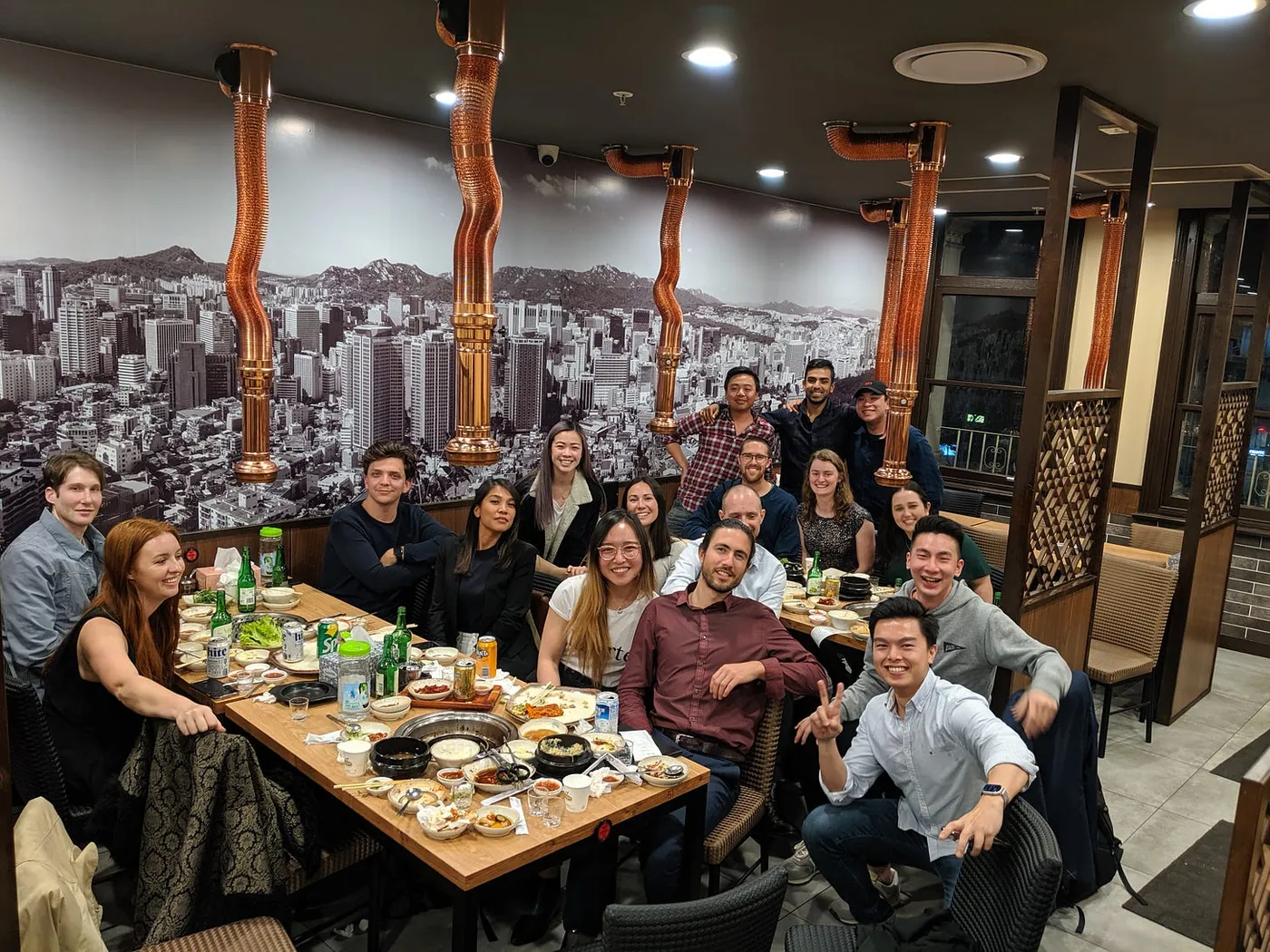
I’m 34 now. It’s been a six-year journey of uncoupling who I am from the professional identity I spent ten years building. I’ve been learning to trust in my choices again and regaining confidence in my ability to reinvent myself.
That embodied knowing hasn’t quite come back in full force. On some days, it’s more logical than visceral.
Three distinct moments from my twenties have been echoing in my mind lately.
First, whilst I was studying fashion design, I worked as a sales assistant in an independent boutique. One of the owners invited me to lunch and asked how fashion school was going. She told me, “When I look at you and Magdalena (fashion designer), I see different people. Magdalena is a designer. You are an artist, Jennifer.”
Second, at my graduate exhibition for visual communication, I exhibited bacteria cultures laser-engraved with the Genesis story from the Bible, a critique on the materials we use to produce design artefacts. I was introduced to the Danish founders of a boutique graphic design studio in Sydney. Of my work, they remarked, “This is not design. This is art.”
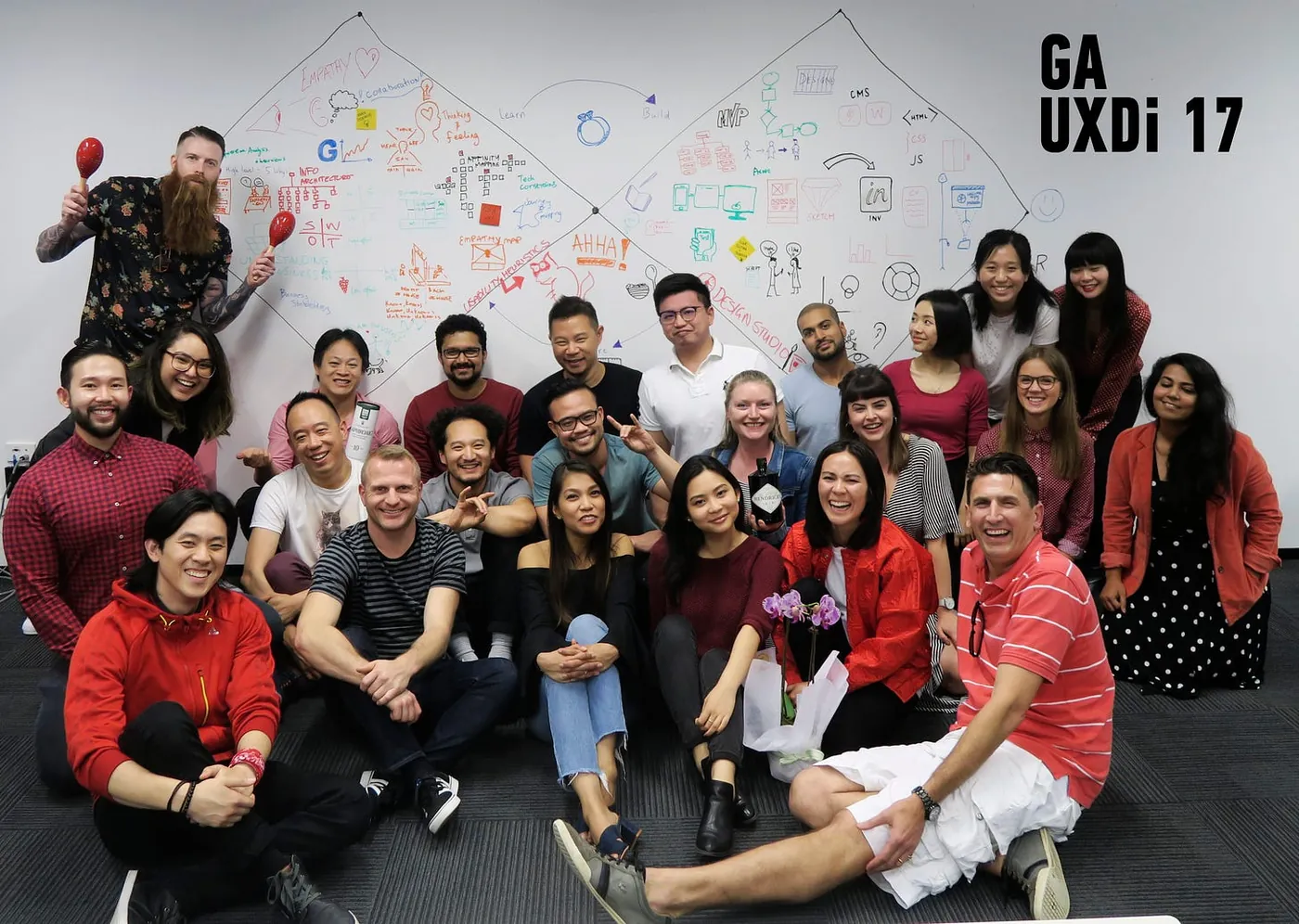
Third, in the closing days of a UX cohort I taught at General Assembly, each student was invited to write messages of gratitude for one another. Next to my name, a student wrote, “There is a hidden depth in you.”
In the past few months, I’ve been working with a brilliant coach, Dina Maccabee, who is also a composer, violinist and vocalist. She came into my world at a moment of self-reorientation. Who better to help me than an artist herself.
Through our conversations, it’s becoming clear I’m orienting towards self-expression.
I started publishing my writing on Substack back in July. I intended it to be a resource collection and marketing tool for my coaching practice, where I talk about career change and identity shifts. Around the same time, I joined a Toastmasters club to improve my public speaking and communication skills. Though it’s become something else entirely.
The act of writing and arranging my inner world on a page has awakened something in me. The value of writing comes from the work put into the piece before it’s published. Once it’s published, it feels like cartharsis.
In the book, The Shadow of the Wind, Zafón makes references to the power of reading and writing as a tool for healing and discovering oneself. One passage has stayed with me:
Julián had once told me that a story is a letter the author writes to himself, to tell himself things that he would be unable to discover otherwise.
That’s what this Substack is becoming for me. A space to write letters to myself.
I’ll continue writing about identity shifts and career change because that work matters to me deeply. Yet this space will also hold the stories that are yearning to climb out of me.
My coaching practice is evolving too, away from career and in the direction of identity work and depth psychology. I’m interested in meaning-making, self-integration and authentic relating.
Simultaneously, I find myself occupying the space between community building, speaking and facilitation with Luma Circle.

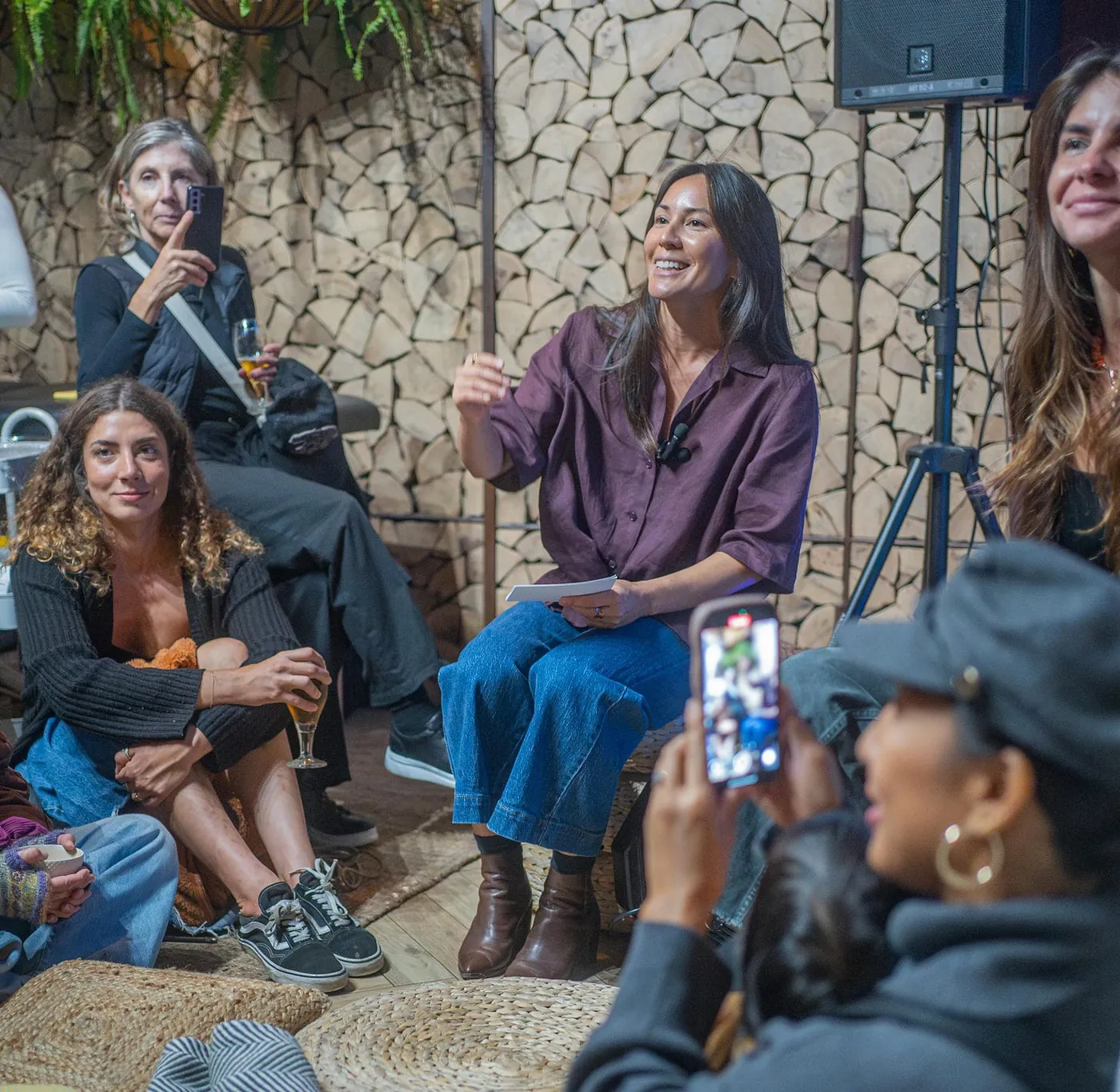
I’m taking the next few weeks to write privately about these evolving directions, to clarify who I want to support and how. I’m trusting that embodied knowing that’s steadily returning.
It feels like the natural evolution for someone who spent a decade building a professional identity, then six years uncoupling from it, and is now stepping further into something that feels true.
I don’t have it all figured out yet. (Writing that feels like I’m breaking the fourth wall of coaching).
What I have is the permission and grace to evolve and be something other than what I thought I should be.
About Work Worth Doing
Work Worth Doing is a space for people who’ve outgrown a professional career they’ve spent years building, and aren’t sure about what comes next. You’ll find essays on identity, purpose and finding fulfilment outside of work too.
I work 1:1 with people transitioning from a professional career into meaningful work. To learn more about how coaching can support you, book a consultation or learn more below.
First published in Work Worth Doing, my newsletter on the identity shifts, permission barriers and confidence blocks that stand between you and the work you want to do.